







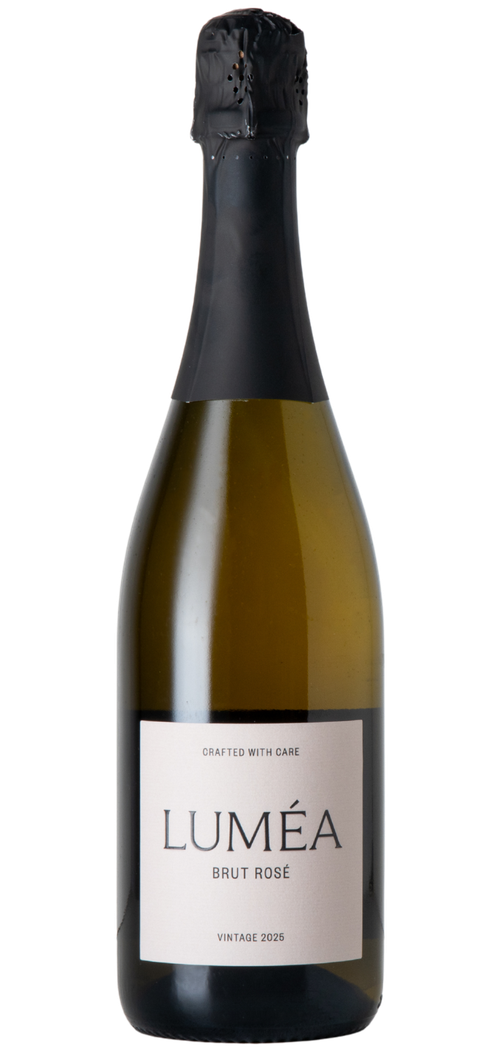
Luméa Sparkling Rosé 2025
Primary flavours

Berries

Wild Strawberry

Crisp

Sherbet
Details
The key to this fine sparkling is that it's a field blend, where grapes from different varieties are picked together, making for a real fruit salad of a wine. This has some of that lovely pink-fruit juiciness, with red apples and wild strawberries, but otherwise it's an elegant rosé, with bright acidity and a finish of softness and lightness.
Origin: Sparkling rosé was first made in the Limoux region of southern France in the 16th century Mainly Grown In: Pretty much everywhere - anywhere you find sparkling wine, sparkling rosé will naturally follow. Key Facts: Think Pink! There’s no change from standard sparklings in the way these wines are made, the obvious difference is colour. But there’s more than that - the red grapes or wine that are used as part of the blend add in a different set of aromas and flavours. Don’t be fooled by clever marketing thinking it’s more expensive or better - just different. So whether it is labelled as methode traditionelle, cava, pet nat, prosecco or just sparkling, if it’s got rosé in the name, you know there’s some different grapes in the blend. Fun Fact: Most sparkling rosé is fizzy white with a dash of red wine added to it for colour!
Origin: Sparkling rosé was first made in the Limoux region of southern France in the 16th century Mainly Grown In: Pretty much everywhere - anywhere you find sparkling wine, sparkling rosé will naturally follow. Key Facts: Think Pink! There’s no change from standard sparklings in the way these wines are made, the obvious difference is colour. But there’s more than that - the red grapes or wine that are used as part of the blend add in a different set of aromas and flavours. Don’t be fooled by clever marketing thinking it’s more expensive or better - just different. So whether it is labelled as methode traditionelle, cava, pet nat, prosecco or just sparkling, if it’s got rosé in the name, you know there’s some different grapes in the blend. Fun Fact: Most sparkling rosé is fizzy white with a dash of red wine added to it for colour!
Read more
Taste Profile
This wine’s tasting notes.
Sweetness

nonesomelots
Body
lightmediumfull
Fruitiness
lowmediumhigh
Tannins
lowmediumhigh
Acidity
lowmediumhigh
Oak
nonesomelots
Alcohol
low
(under 12%)medium
(12-14%)high
(14%+)
Taste Summary

This wine’s tasting notes are leaning towards light bodied, low sweetness, with medium acidity, some fruitiness, low tannins, medium alcohol and no oak.
Specs
Region
Langhorne Creek
country
Australia
Grape type
Sparkling Rosé
Wine Maker
Luméa
Alcohol
12%
Vintage
2025
Cellar period
1-3 years
Closure
Cork + Cage
Production method
Vegan
Temperature
Cold 5°C-8°C
State
SA
Pairing guide
Such a seductive wine! It's a soft and generous wine with an elegance and sense of lightness that makes it a winner all by itself, no food required. We like it with salmon, prawn, and rice dishes, especially those that lean more towards subtlety and softness rather than being spicy and overt. Chicken, leek or fish pie is going to work especially well, as would cornish pastries, mild korma and other recipes that offer some clever flavour contrasts.
Read more
Food

Salmon

Prawns

Chicken Pie
Tastes

Crisp

Tangy
Moods

Celebratory

Romantic
Seasons
Summer
Spring
Recipe Matches


Wine region


Langhorne Creek, Australia
The Langhorne Creek is a wine region in South Australia that is best known for its rich, full-bodied red wines such as Shiraz, Cabernet Sauvignon and Malbec. The region has a Mediterranean climate with warm summers and mild winters, and a cooling influence from nearby Lake Alexandrina which helps moderate the temperature. All of which makes this region ideal for producing high-quality and age-worthy red wines. In fact, the region is responsible for a large portion of the red grapes used in wines all over the state! The region also produces some white wines, particularly Chardonnay, but it's the red that makes up the lion's share of plantings. The region is surrounded by picturesque countryside and has a long history of grape growing and winemaking dating back to the 1850s.
Read more