







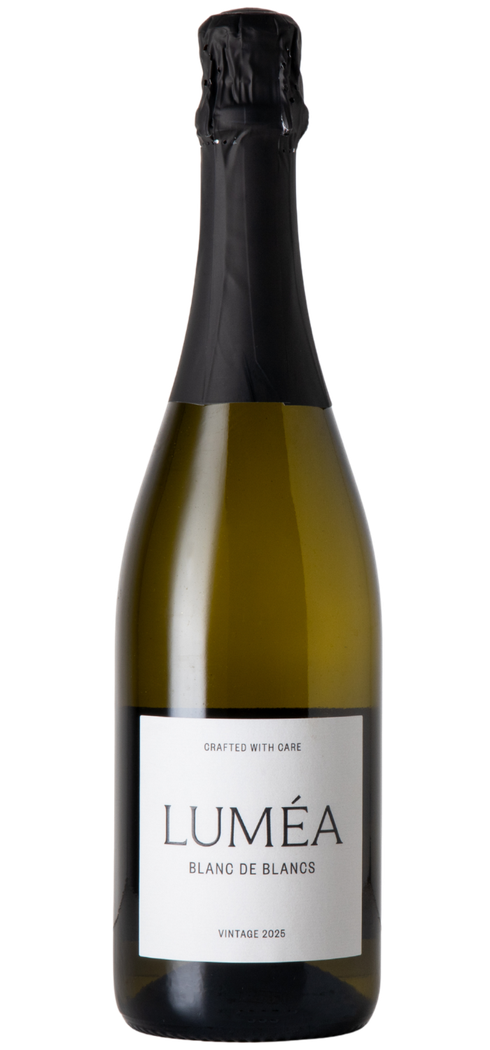
Luméa Blanc de Blancs 2025
Primary flavours

Lemon

Pear

Creamy

Juicy
Details
This is an elegant Blanc de Blancs made by the Watkins family (who know a thing or two about making approachable wines, who think this has 'whispers of pomme verte, citrus and a silken mineral finish'. We'd add that it is a lovely, juicy yet clean and refreshing sparkling wine, with soft white-pear fruit all the way through.
Origin: The original sparkling wines were made in a place called Limoux in southern France. Mainly Grown In: All over the world! From Champagne to Tasmania, and everywhere in between. Key Facts: So let’s get the French out the way first - blanc de blancs simply means it’s a white wine, made only from white grapes. The literal translation is “white of/from whites”. So no red grapes, and no red or rosé wines. Outside of that, it’s free range, game on, do as you will. This means that stylistically these wines can vary quite a bit, but a good starting point is high in acid and fresh and dry (most of the time!). Made all over the world, these are classic sparklers, and make a wonderful aperitif or paired with appetisers or snacks. Fun Fact: The classic Champagne interpretation of Blanc de Blancs is made exclusively from Chardonnay - the finest sparklings in the world!
Origin: The original sparkling wines were made in a place called Limoux in southern France. Mainly Grown In: All over the world! From Champagne to Tasmania, and everywhere in between. Key Facts: So let’s get the French out the way first - blanc de blancs simply means it’s a white wine, made only from white grapes. The literal translation is “white of/from whites”. So no red grapes, and no red or rosé wines. Outside of that, it’s free range, game on, do as you will. This means that stylistically these wines can vary quite a bit, but a good starting point is high in acid and fresh and dry (most of the time!). Made all over the world, these are classic sparklers, and make a wonderful aperitif or paired with appetisers or snacks. Fun Fact: The classic Champagne interpretation of Blanc de Blancs is made exclusively from Chardonnay - the finest sparklings in the world!
Read more
Taste Profile
This wine’s tasting notes.
Sweetness

nonesomelots
Body
lightmediumfull
Fruitiness
lowmediumhigh
Tannins
lowmediumhigh
Acidity
lowmediumhigh
Oak
nonesomelots
Alcohol
low
(under 12%)medium
(12-14%)high
(14%+)
Taste Summary

This wine’s tasting notes are leaning towards light bodied, low sweetness, with medium acidity, some fruitiness, low tannins, low alcohol and no oak.
Specs
Region
Langhorne Creek
country
Australia
Grape type
Sparkling (Blanc de Blancs)
Wine Maker
Luméa
Alcohol
11%
Vintage
2025
Cellar period
1-3 years
Closure
Cork + Cage
Production method
Vegan
Temperature
Cold 5°C-8°C
State
SA
Pairing guide
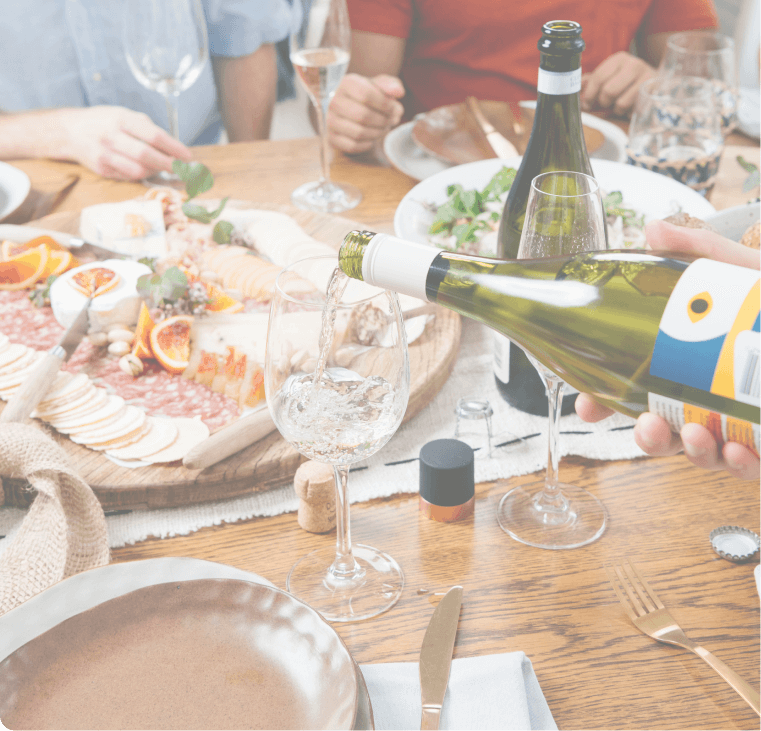
With the clever balance between pear fruit flavour and clean refreshing acidity, this is a wine that feels both fruity enough to be easy drinking, but then with a tidy crisp finish. You can pair it with just about anything, too - grilled or fried fish, chicken salad, crispy pork noodles, smoked salmon, even savoury pancakes. The contrasting flavours across the palate make this wine a winner with whatever you want to serve, especially when you pour this Luméa sparkling ice cold (where it really looks its best).
Read more
Food

Fried Fish

Halloumi
Tastes

Light

Fresh
Moods

Excited

Celebratory
Seasons

Summer
Spring
Recipe Matches


Wine region


Langhorne Creek, Australia
The Langhorne Creek is a wine region in South Australia that is best known for its rich, full-bodied red wines such as Shiraz, Cabernet Sauvignon and Malbec. The region has a Mediterranean climate with warm summers and mild winters, and a cooling influence from nearby Lake Alexandrina which helps moderate the temperature. All of which makes this region ideal for producing high-quality and age-worthy red wines. In fact, the region is responsible for a large portion of the red grapes used in wines all over the state! The region also produces some white wines, particularly Chardonnay, but it's the red that makes up the lion's share of plantings. The region is surrounded by picturesque countryside and has a long history of grape growing and winemaking dating back to the 1850s.
Read more