






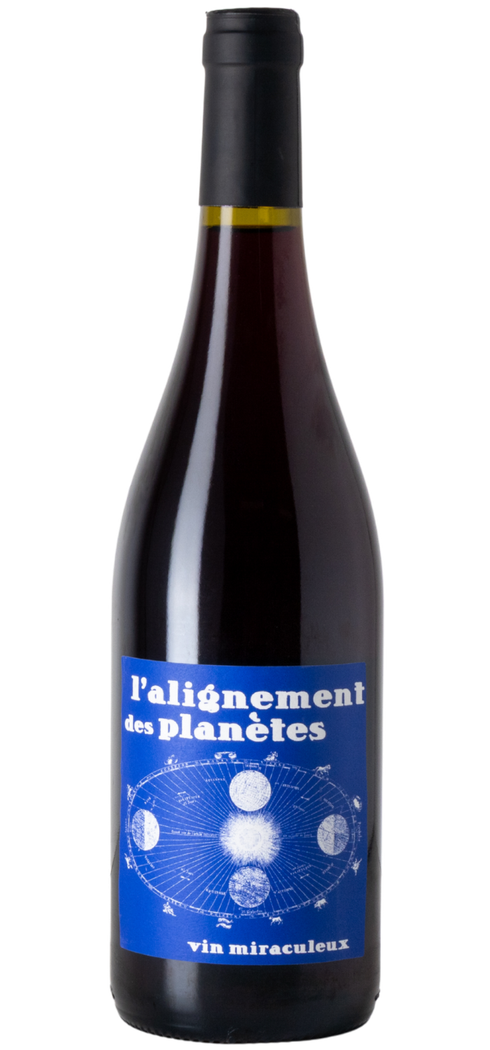
Château Coutinel 'L’Alignement des Planètes' Braucol Blend 2024
Primary flavours

Blackberry

Blueberry

Cassis

Strawberry

Charcoal

Dark Chocolate

Ribena

Strawberry Leaf

Sweet Spices
Details
'L’Alignement des Planètes' is an interesting blend of South-West varieties, Braucol, which comes from Gaillac blended with Malbec and Cabernet Sauvignon which come from Bordeaux and Cahors. The end result is a deep wine with strawberries mixed with darker berries and a touch of dark chocolate.
Located on the outskirts of the stunningly beautiful city of Toulouse, the region of Fronton is a quaint region that flies under the radar of most wine enthusiasts. It isn’t flashy or bright with fancy varieties or old wealth, this is farming land where the wineries focus on local varieties and keeping to traditions. Enter the Arbeau family, who have a winery located in the town of Labastide-Saint-Peirre, literally wedged inbetween narrow streets that are sure to cause moments of panic for any tourist in a rental car. Anne and Géraud Arbeau have transformed their century old winery into a marvel, adapting their local varieties into the fast paced world of modern drinking with bright labels and equally bright wines. They not only source from Fronton, which gives them access to the local Négrette but also source from the surrounding South-West regions of Gaillac, Madiran and Cahors amongst others to showcase the delights that usually only feature a couple of paragraphs in any french wine book.
Located on the outskirts of the stunningly beautiful city of Toulouse, the region of Fronton is a quaint region that flies under the radar of most wine enthusiasts. It isn’t flashy or bright with fancy varieties or old wealth, this is farming land where the wineries focus on local varieties and keeping to traditions. Enter the Arbeau family, who have a winery located in the town of Labastide-Saint-Peirre, literally wedged inbetween narrow streets that are sure to cause moments of panic for any tourist in a rental car. Anne and Géraud Arbeau have transformed their century old winery into a marvel, adapting their local varieties into the fast paced world of modern drinking with bright labels and equally bright wines. They not only source from Fronton, which gives them access to the local Négrette but also source from the surrounding South-West regions of Gaillac, Madiran and Cahors amongst others to showcase the delights that usually only feature a couple of paragraphs in any french wine book.
Read more
Taste Profile
This wine’s tasting notes.
Sweetness

nonesomelots
Body
lightmediumfull
Fruitiness
lowmediumhigh
Tannins
lowmediumhigh
Acidity
lowmediumhigh
Oak
nonesomelots
Alcohol
low
(under 12%)medium
(12-14%)high
(14%+)
Taste Summary

This wine’s tasting notes are leaning towards medium bodied, low sweetness, with low acidity, very fruity, medium tannins, low alcohol and no oak.
Specs
Region
Vin de France
country
France
Grape type
Braucol Blend
Wine Maker
Famille Arbeau
Alcohol
11%
Vintage
2024
Cellar period
3-5 years
Closure
Cork (Natural)
Production method
Organic
Temperature
Room Temperature 15°C-18°C
Pairing guide
Famille Arbeau’s take on Braucol is a compelling mix of power and elegance, with a juicy core of forest fruit and just enough grip to handle hearty dishes. For a midweek dinner, pair it with grilled lamb chops, roast chicken with thyme, or a simple beef stir-fry. It’s just as happy beside a meat pie or sausage roll, and it loves the earthy depth of roast parsnips, caramelised onions, or grilled portobellos. Whether you’re enjoying a backyard dinner or a rainy-night roast, this is a bottle you’ll keep reaching for.
Read more
Food

BBQ

Game
Tastes

Meaty

Spicy
Moods

Adventurous
Seasons
Autumn

Spring

Cooler Months
Recipe Matches


Wine region

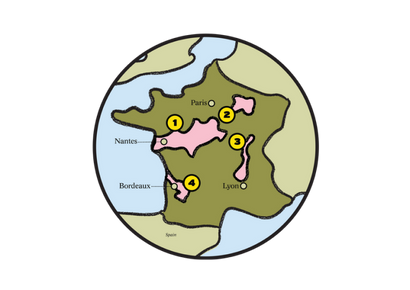
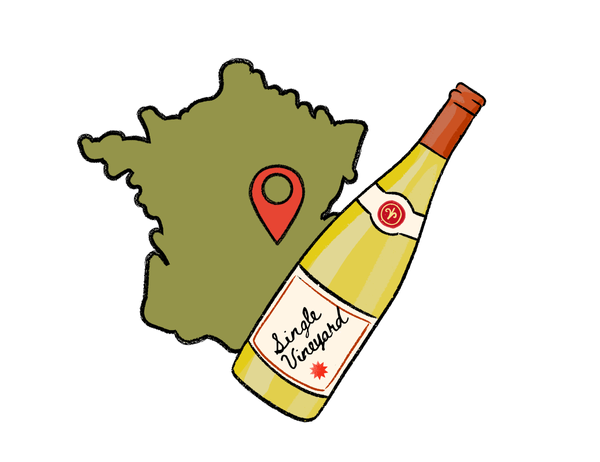
Vin de France, France
Vin de France can mean that it is a cheap, generic wine or it could mean that the winemaker really wants to make a wine that sits outside the appellation rules, but throw caution to the wind and make wines that they are passionate about. Enter Vin de France, basically the term for when a wine doesn't fit into the tight constraints of the regions (appellation) rules. This could be making a Syrah in Burgundy, a Chardonnay in Bordeaux or perhaps a Cabernet Sauvignon in Champagne.
Read more