








You're on our UK site. Are you sure you want to continue?

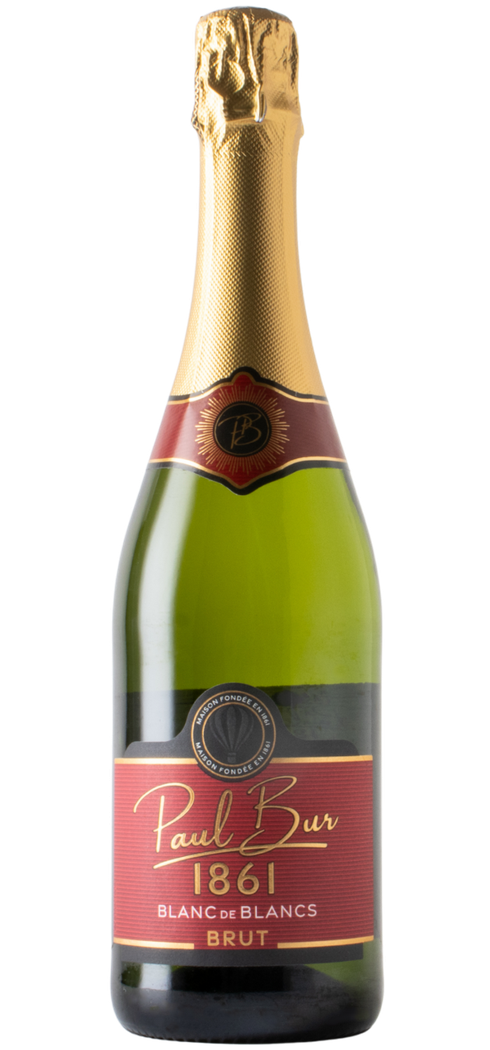
Paul Bur Sparkling Brut NV
Primary flavours

Apple

Citrus

Lemon

Apple Blossom

Floral

Zesty
Details
The Paul Bur sparkling brut is a graceful expression of bubbles, leading the way to aromas of apple, pear and white flowers. Zesty citrus and a subtle mineral edge give this sparkling wine poise and freshness. A charming pour for effortless sophistication.
Origin: The original sparkling wines were made in a place called Limoux in southern France. Mainly Grown In: These days, the whole world sparkles - these styles are made anywhere and everywhere, from a range of grape varieties. Key Facts: Champagne gets all the attention, but there's so much more to the world of sparkling than that. In fact, there are four main methods of production for sparkling wine, each producing slightly different styles and flavours. What is common across all of them however is really focussed, tangy acidity (due mostly to harvesting the grapes early - the acidity is needed to keep the sparkling wine fresh) and an elegant fruit profile. Main flavours often include various citrus fruits, crunchy green apple and hints of honey or biscuit. At the end of the day though, it's about those bubbles and the refreshment factor! Fun Fact: The process of adding sugar and yeast to still wine to create carbon dioxide and make it sparkling is called "secondary fermentation."
Origin: The original sparkling wines were made in a place called Limoux in southern France. Mainly Grown In: These days, the whole world sparkles - these styles are made anywhere and everywhere, from a range of grape varieties. Key Facts: Champagne gets all the attention, but there's so much more to the world of sparkling than that. In fact, there are four main methods of production for sparkling wine, each producing slightly different styles and flavours. What is common across all of them however is really focussed, tangy acidity (due mostly to harvesting the grapes early - the acidity is needed to keep the sparkling wine fresh) and an elegant fruit profile. Main flavours often include various citrus fruits, crunchy green apple and hints of honey or biscuit. At the end of the day though, it's about those bubbles and the refreshment factor! Fun Fact: The process of adding sugar and yeast to still wine to create carbon dioxide and make it sparkling is called "secondary fermentation."
Read more
Taste Profile
This wine’s tasting notes.
Sweetness

nonesomelots
Body
lightmediumfull
Fruitiness
lowmediumhigh
Tannins
lowmediumhigh
Acidity
lowmediumhigh
Oak
nonesomelots
Alcohol
low
(under 12%)medium
(12-14%)high
(14%+)
Taste Summary

This wine’s tasting notes are leaning towards light bodied, low sweetness, with high acidity, some fruitiness, low tannins, low alcohol and no oak.
Specs
Region
South West France
country
France
Grape type
Sparkling (Other)
Wine Maker
Barton & Guestier
Alcohol
11%
Vintage
NV
Cellar period
1-3 years
Closure
Cork + Cage
Production method
Vegan
Temperature
Cold 5°C-8°C
collection
Pairing guide
Balanced and smooth, Paul Bur Sparkling Brut combines citrus, pear, and subtle nutty tones with a clean finish. Perfect with seafood platters, smoked trout, or roast chicken with herbs. It also pairs beautifully with creamy brie, risotto, or vegetarian quiche. For relaxed occasions, serve it with sushi, prawn cocktails, or savoury pastries—it’s the kind of sparkling that works from appetiser to main course.
Read more
Food
Salmon

Raw Fish

Pork

White Meat

Seafood
Tastes

Crisp

Fruity

Creamy
Moods

Adventurous

Always A Winner

Celebratory

Romantic
Seasons
Summer
Spring
Recipe Matches


Wine region


South West France, France
South West France comprises 38 wine regions located from below Bordeaux to the border of Spain. There is a broad diversity of grape varieties, traditions and styles that are seen in these regions. The broader regions are usually overshadowed by the big brother that is Bordeaux, however there is fantastic quality found for those that seek it out. There is a broad set of local varieties like Tannat, Gros and Petit Manseng and Malbec. The regions that should be sought out are Madiran, Cahors, Jurançon and Gaillac and the rest are worth delving into the unknown.
Read more