









You're on our UK site. Are you sure you want to continue?

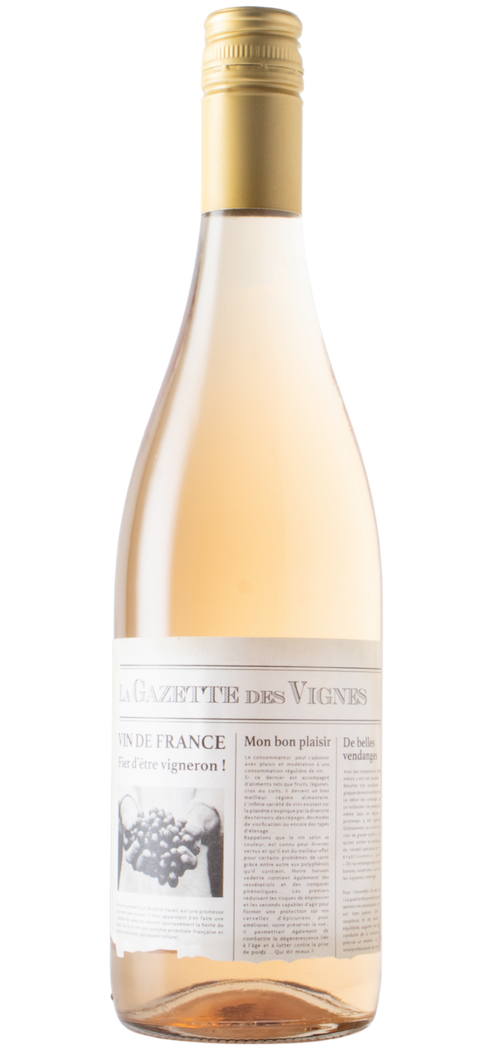
La Gazette des Vignes Rosé 2024
Primary flavours

Lemon

Raspberry

Redcurrant

Wild Strawberry

Creamy

Floral

Savoury

Sherbet
Details
The La Gazette des Vignes rosé is pale and pretty in pink. This rosé shows bright raspberry, wild strawberry and lemon zest with a playful pear-drop twist. Fresh, floral and feather-light, it’s an effortlessly drinkable pink for long lunches and golden-hour glasses.
Origin: The spiritual home of rosé is Provence, in Southern France. Mainly Grown In: Rosé is found all over the world these days, but coastal regions are especially well suited to the growing of red grapes for rosé. Key Facts: Rosé is predominantly made from red grape varieties. The colour in wine comes from the pigment found in the skins of the grapes, so even red grapes have clear-coloured juice. The colour is then ‘bled’ out of the skins by infusing the skins into the juice. So for rosé, the wine simply spends far less time hanging out with the skins! Rarely you will find a rosé that is a combo of white and red grapes – they’re not ‘less good’, just less common. Rosé is super versatile – it suits any occasion. Best to always have a bottle in the fridge, just in case, you know… Wednesday happens or something. Fun Fact: Some people think that the hue of the pink in a rose indicates how dry the wine will be — often thinking that darker hues mean sweeter— but this is false. The depth of the hue is actually a reflection of how long the wine spent macerating on the skins.
Origin: The spiritual home of rosé is Provence, in Southern France. Mainly Grown In: Rosé is found all over the world these days, but coastal regions are especially well suited to the growing of red grapes for rosé. Key Facts: Rosé is predominantly made from red grape varieties. The colour in wine comes from the pigment found in the skins of the grapes, so even red grapes have clear-coloured juice. The colour is then ‘bled’ out of the skins by infusing the skins into the juice. So for rosé, the wine simply spends far less time hanging out with the skins! Rarely you will find a rosé that is a combo of white and red grapes – they’re not ‘less good’, just less common. Rosé is super versatile – it suits any occasion. Best to always have a bottle in the fridge, just in case, you know… Wednesday happens or something. Fun Fact: Some people think that the hue of the pink in a rose indicates how dry the wine will be — often thinking that darker hues mean sweeter— but this is false. The depth of the hue is actually a reflection of how long the wine spent macerating on the skins.
Read more
Taste Profile
This wine’s tasting notes.
Sweetness

nonesomelots
Body
lightmediumfull
Fruitiness
lowmediumhigh
Tannins
lowmediumhigh
Acidity
lowmediumhigh
Oak
nonesomelots
Alcohol
low
(under 12%)medium
(12-14%)high
(14%+)
Taste Summary

This wine’s tasting notes are leaning towards light bodied, low sweetness, with high acidity, some fruitiness, low tannins, low alcohol and no oak.
Specs
Region
Southern France
country
France
Grape type
Rosé
Wine Maker
Delaude Wine Estate
Alcohol
11%
Vintage
2024
Cellar period
1-3 years
Closure
Cork (Synthetic)
Production method
Conventionally Made
Temperature
Cold 5°C-8°C
collection
Pairing guide
Delicate and fruity, La Gazette des Vignes Rosé delivers red berry, peach, and citrus flavours in a crisp, dry style. It’s perfect for summer dining—pair with grilled prawns, fresh salads, or Mediterranean mezze. It also complements sushi, soft cheeses, and light pasta dishes. For something easy, enjoy it with pizza or fish and chips for a touch of French flair.
Read more
Food

Hot & Spicy

Pizza

Antipasto
Tastes

Crisp

Light
Moods

Romantic
Seasons

Summer

Spring
Recipe Matches


Wine region


Southern France, France
Also known as the Languedoc-Roussillon wine region in the south of France is one of the largest wine-producing regions in the world. It is known for producing a wide variety of wines, including reds, whites, rosés, and sparkling wines. The region's Mediterranean climate and varied soil types, such as schist and limestone, impart distinct flavours and aromas to the grapes grown there. The area has a long history of winemaking, dating back to the Roman era, and is known for producing high-volume, high-quality wines. The most famous wines from Southern France are typically blends of indigenous grape varieties like Syrah, Grenache, Carignan, and Mourvèdre. The region is a popular destination for wine tourists, offering tastings, tours, and wine festivals.
Read more