










You're on our UK site. Are you sure you want to continue?

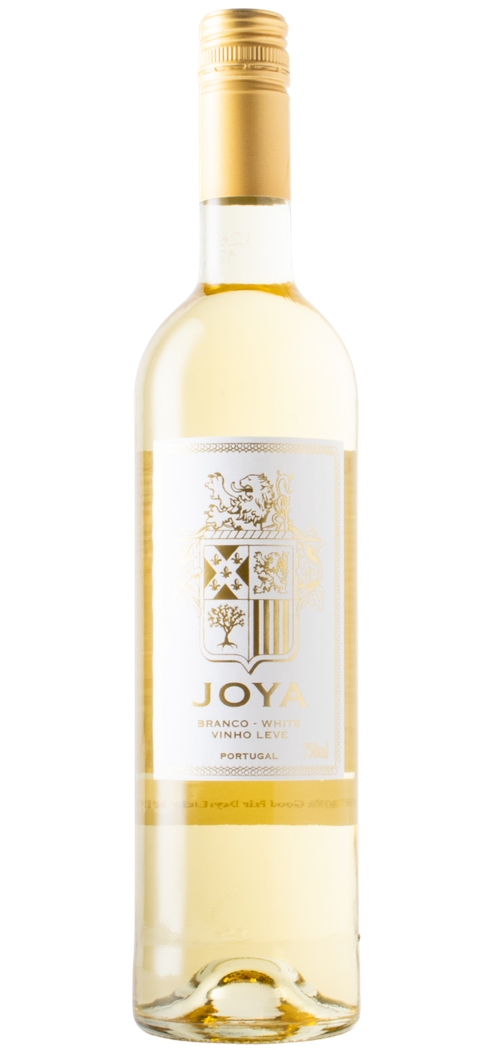
Joya Branco 2024
Primary flavours

Grape

Green Apple

Lemon Sherbert

Nectarine

Peach

Ripe Pear

Blossom

Jasmine

Pear Drops
Details
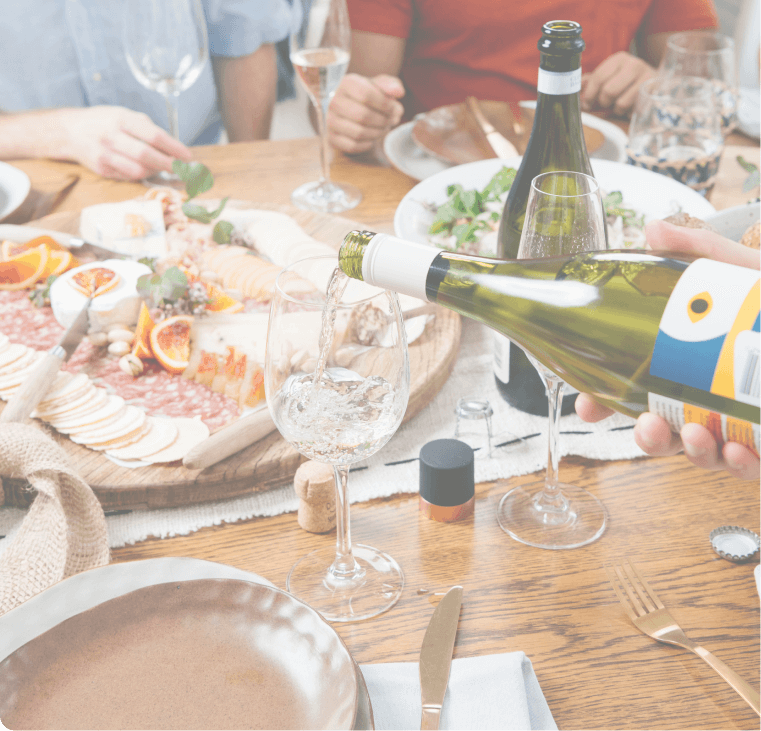
This spritzy white is all about fresh, grapey orchard fruit charm. The nose pops with pear drops, green apple, nectarine and peach, lifted with jasmine and spring blossom. It’s bright and playful, refreshing and super easy-drinking - the kind of wine that disappears fast at a baby shower (or, let’s be honest, just a sunny afternoon).
Origin: Nobody really knows, the tradition of blending dates back millennia to when grape varieties were co-planted together. Mainly Grown In: All over the world! Key Facts: Blended wines are nothing new to many of us, they could be red, white, rosé or sparkling, the fact of the matter is, if you’ve drunk wine before, the chances are that you’ve had a blended wine. Simply put, this is a blend of more than one grape variety. Whilst this might not actually be a grape variety in its own right, it is important to highlight some of the world’s most famous blended wines and regions. We start with Bordeaux, an area in southwest France that relies almost exclusively on blended red and white wine utilising a number of grape varieties. Then we have Rhône in southern France, notably the southern part of the region, famous for blended red and white wines under the Côtes du Rhône banner. Or perhaps Champagne, the world’s most famous fizz is predicated on the use and blending of three core grape varieties. That said, perhaps the spiritual home of blended wine is France, but it is now almost impossible to find a wine-producing country anywhere in the world that doesn't blend. Fun Fact: Traditionally in Bordeaux, winemakers were permitted to blend up to five grapes to make their red wines; Merlot, Cabernet Sauvignon, Cabernet Franc, Petit Verdot and Malbec. But, things have changed and the introduction of a few more varieties has now come into place.
Origin: Nobody really knows, the tradition of blending dates back millennia to when grape varieties were co-planted together. Mainly Grown In: All over the world! Key Facts: Blended wines are nothing new to many of us, they could be red, white, rosé or sparkling, the fact of the matter is, if you’ve drunk wine before, the chances are that you’ve had a blended wine. Simply put, this is a blend of more than one grape variety. Whilst this might not actually be a grape variety in its own right, it is important to highlight some of the world’s most famous blended wines and regions. We start with Bordeaux, an area in southwest France that relies almost exclusively on blended red and white wine utilising a number of grape varieties. Then we have Rhône in southern France, notably the southern part of the region, famous for blended red and white wines under the Côtes du Rhône banner. Or perhaps Champagne, the world’s most famous fizz is predicated on the use and blending of three core grape varieties. That said, perhaps the spiritual home of blended wine is France, but it is now almost impossible to find a wine-producing country anywhere in the world that doesn't blend. Fun Fact: Traditionally in Bordeaux, winemakers were permitted to blend up to five grapes to make their red wines; Merlot, Cabernet Sauvignon, Cabernet Franc, Petit Verdot and Malbec. But, things have changed and the introduction of a few more varieties has now come into place.
Read more
Taste Profile
This wine’s tasting notes.
Sweetness

nonesomelots
Body
lightmediumfull
Fruitiness
lowmediumhigh
Tannins
lowmediumhigh
Acidity
lowmediumhigh
Oak
nonesomelots
Alcohol
low
(under 12%)medium
(12-14%)high
(14%+)
Taste Summary

This wine’s tasting notes are leaning towards light bodied, medium sweetness, with medium acidity, very fruity, low tannins, low alcohol and no oak.
Specs
Region
Lisbon
country
Portugal
Grape type
White Blend
Wine Maker
Joya
Alcohol
9.5%
Vintage
2024
Cellar period
1-3 years
Closure
Cork (Natural)
Production method
Vegan
Temperature
Chilled 8°C-10°C
Pairing guide
You've got to lean into freshness with this spritzy white. Try burrata with grilled stone fruit and a drizzle of honey and lemon zest, or go for crispy rice paper rolls stuffed with herbs, pickled pear and a little chilli crunch. For something more left-field, whipped ricotta on toast with nectarine, olive oil and fennel pollen is a total flex. Vegan-wise: peach and tomato panzanella with basil and balsamic, or a chilled soba noodle salad with green apple, cucumber, sesame and jasmine tea dressing - fresh, fragrant, and an absolute yes with this spritz.
Read more
Food

Lots of Herbs

Basil

Filipino

East Asian Dishes

Rice
Tastes

Complex

Unique
Moods

Adventurous

Contemplative
Seasons

Summer

Spring
Recipe Matches


Wine region

Lisbon, Portugal
Get ready to sip and swirl your way through the Lisbon wine region! This stunning wine region sits just north of the city of Lisbon and is home to some of the most exciting and diverse wines in all of Portugal. From rich and bold reds made from the Castelão grape to crisp and refreshing whites made from the Arinto grape, the Lisbon wine region is a wine lover's paradise. And with its temperate and maritime climate, the region provides the perfect growing conditions for producing top-quality grapes. So why not grab a glass, pull up a chair at a charming family-run winery, and indulge in the delicious wines and local winemaking traditions that make the Lisbon wine region so special? Cheers to that!
Read more