










You're on our UK site. Are you sure you want to continue?

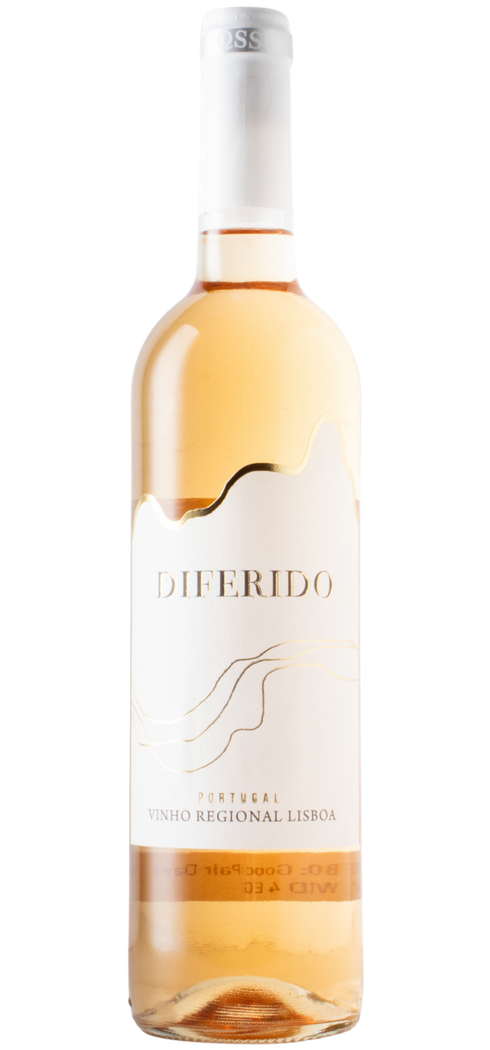
Diferido Rosé 2024
Primary flavours

Strawberry

Watermelon

Wild Cherry

Mineral

Rose

Savoury

Thyme
Details
Light, graceful, and effortlessly fresh, this wine opens with bright bursts of strawberry and watermelon, layered with delicate floral notes of rose and jasmine. A subtle thread of thyme and wild herbs adds character, while a clean, stony minerality gives it structure and lift. It’s bone dry, with zippy acidity and a whisper-light body - the kind of wine that’s all about elegance, clarity, and quiet confidence.
Origin: The spiritual home of rosé is Provence, in Southern France. Mainly Grown In: Rosé is found all over the world these days, but coastal regions are especially well suited to the growing of red grapes for rosé. Key Facts: Rosé is predominantly made from red grape varieties. The colour of the wine is actually from pigments found in the skins of the grapes, so even red grapes have clear-coloured juice. The colour is then ‘bled’ out of the skins by infusing the skins into the juice. So for rosé, the wine simply spends far less time hanging out with the skins! Rarely you will find a rosé that is a combo of white and red grapes – they’re not ‘less good’, just less common. Rosé is super versatile – it suits any occasion. Best to always have a bottle in the fridge, just in case, you know… Wednesday happens or something. Fun Fact: Rosé is made from red grapes, but without too much skin contact (mmm, sexy). The colour is wine comes from the skins, so without these the wines only have a hint of colour.
Origin: The spiritual home of rosé is Provence, in Southern France. Mainly Grown In: Rosé is found all over the world these days, but coastal regions are especially well suited to the growing of red grapes for rosé. Key Facts: Rosé is predominantly made from red grape varieties. The colour of the wine is actually from pigments found in the skins of the grapes, so even red grapes have clear-coloured juice. The colour is then ‘bled’ out of the skins by infusing the skins into the juice. So for rosé, the wine simply spends far less time hanging out with the skins! Rarely you will find a rosé that is a combo of white and red grapes – they’re not ‘less good’, just less common. Rosé is super versatile – it suits any occasion. Best to always have a bottle in the fridge, just in case, you know… Wednesday happens or something. Fun Fact: Rosé is made from red grapes, but without too much skin contact (mmm, sexy). The colour is wine comes from the skins, so without these the wines only have a hint of colour.
Read more
Taste Profile
This wine’s tasting notes.
Sweetness

nonesomelots
Body
lightmediumfull
Fruitiness
lowmediumhigh
Tannins
lowmediumhigh
Acidity
lowmediumhigh
Oak
nonesomelots
Alcohol
low
(under 12%)medium
(12-14%)high
(14%+)
Taste Summary

This wine’s tasting notes are leaning towards light bodied, low sweetness, with high acidity, very fruity, low tannins, medium alcohol and no oak.
Specs
Region
Lisbon
country
Portugal
Grape type
Rosé
Wine Maker
Diferido
Alcohol
12%
Vintage
2024
Cellar period
1-3 years
Closure
Cork (Natural)
Production method
Vegan
Temperature
Cold 5°C-8°C
Pairing guide
This bright, herb-kissed rosé is a natural match for fresh, summery plates. Try it with a Niçoise salad — the salty olives, crisp greens, and seared tuna bring out the wine’s savoury edge while keeping things light. It’s also gorgeous alongside a tomato and peach panzanella, where the sweet-savoury flavours mirror the wine’s gentle fruit and floral lift. For a vegan pairing, go for herbed couscous with grilled courgette, cherry tomatoes, and lemon tahini dressing. The wine’s acidity and minerality cut through beautifully, keeping every bite refreshing.
Read more
Food

Salads

Olives

Tuna Tartare

Pizza

Antipasto
Tastes

Crisp

Light
Moods

Romantic
Seasons

Summer

Spring
Recipe Matches


Wine region

Lisbon, Portugal
Get ready to sip and swirl your way through the Lisbon wine region! This stunning wine region sits just north of the city of Lisbon and is home to some of the most exciting and diverse wines in all of Portugal. From rich and bold reds made from the Castelão grape to crisp and refreshing whites made from the Arinto grape, the Lisbon wine region is a wine lover's paradise. And with its temperate and maritime climate, the region provides the perfect growing conditions for producing top-quality grapes. So why not grab a glass, pull up a chair at a charming family-run winery, and indulge in the delicious wines and local winemaking traditions that make the Lisbon wine region so special? Cheers to that!
Read more