










You're on our UK site. Are you sure you want to continue?

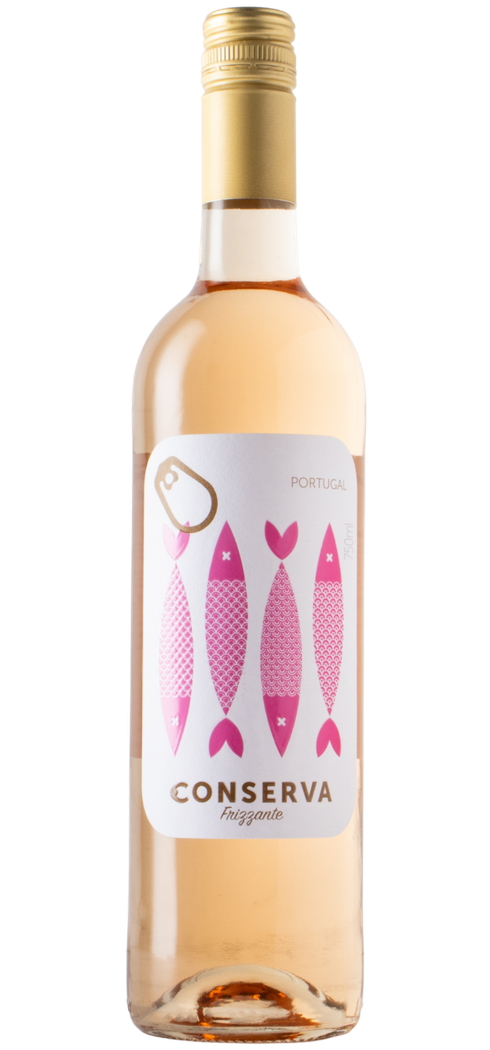
Conserva Frizzante Rosé NV
Primary flavours

Lemon Curd

Raspberry

Redcurrant

Strawberry

White Peach

Apple Blossom

Lemon Rind

White Flowers
Details
Beautifully balanced and lightly sparkling, this refreshing rosé is made for laid-back sipping. Crafted from the local Sousão grape, it’s bursting with bright red fruit character - think crunchy berries and a vibrant juiciness - all lifted by a subtle citrus zing that keeps things crisp and clean. It's fresh, zippy, and seriously drinkable!
Origin: The original sparkling wines were made in a place called Limoux in southern France. Mainly Grown In: These days, the whole world sparkles - these styles are made anywhere and everywhere, from a range of grape varieties. Key Facts: Champagne gets all the attention, but there's so much more to the world of sparkling than that. In fact, there are four main methods of production for sparkling wine, each producing slightly different styles and flavours. What is common across all of them however is really focused, tangy acidity (due mostly to harvesting the grapes early - the acidity is needed to keep the sparkling wine fresh) and an elegant fruit profile. Main flavours often include various citrus fruits, crunchy green apples, and hints of honey or biscuit. At the end of the day though, it's about those bubbles and the refreshment factor! Fun Fact: The oldest sparkling wine was discovered in the cellar of the Haas-Lilienthal House in San Francisco. It was a bottle of Blanquette de Limoux from 1531.
Origin: The original sparkling wines were made in a place called Limoux in southern France. Mainly Grown In: These days, the whole world sparkles - these styles are made anywhere and everywhere, from a range of grape varieties. Key Facts: Champagne gets all the attention, but there's so much more to the world of sparkling than that. In fact, there are four main methods of production for sparkling wine, each producing slightly different styles and flavours. What is common across all of them however is really focused, tangy acidity (due mostly to harvesting the grapes early - the acidity is needed to keep the sparkling wine fresh) and an elegant fruit profile. Main flavours often include various citrus fruits, crunchy green apples, and hints of honey or biscuit. At the end of the day though, it's about those bubbles and the refreshment factor! Fun Fact: The oldest sparkling wine was discovered in the cellar of the Haas-Lilienthal House in San Francisco. It was a bottle of Blanquette de Limoux from 1531.
Read more
Taste Profile
This wine’s tasting notes.
Sweetness

nonesomelots
Body
lightmediumfull
Fruitiness
lowmediumhigh
Tannins
lowmediumhigh
Acidity
lowmediumhigh
Oak
nonesomelots
Alcohol
low
(under 12%)medium
(12-14%)high
(14%+)
Taste Summary

This wine’s tasting notes are leaning towards light bodied, medium sweetness, with high acidity, some fruitiness, low tannins, low alcohol and no oak.
Specs
Region
Vinho Verde
country
Portugal
Grape type
Sparkling Rosé
Wine Maker
Adega Ponte de Barca
Alcohol
9.5%
Vintage
NV
Cellar period
1-3 years
Closure
Screw Cap
Production method
Vegan
Temperature
Cold 5°C-8°C
collection
Pairing guide
Who can resist a good glass of pink fizz? This charming rosé frizzante is the ultimate crowd-pleaser - perfect for sunny afternoons, but honestly just as delightful whatever the weather's up to. Light, lively, and full of character, it’s a natural match for spicy prawns, chorizo rice, and just about any tapas, antipasti, or canapé spread you can dream up. It also shines alongside ham and cheese pairings, charcuterie boards, savoury pastries, and pasta dishes. And if you’re leaning sweet? Try it with berry desserts like pavlova for a seriously tasty combo.
Read more
Food

Tuna Steak

Antipasti

Salads

Prawns
Tastes

Crisp

Tangy
Moods

Always A Winner

You'll know when
Seasons

Summer

Spring
Recipe Matches


Wine region


Vinho Verde, Portugal
Vinho Verde is a wine region located in the Minho province of Portugal, known for producing light and refreshing wines that are perfect for warm weather. The region's name, which means "green wine," refers to the young age of the wines, which are typically consumed within a year of their production. The wines are typically made from indigenous grape varieties, such as Alvarinho and Loureiro, and are characterised by their low alcohol content, high acidity, and slight effervescence. There is a fascinating tradition of having the vines climb up high so you can pick the grapes while standing however this has mostly faded out now.
Read more