









You're on our UK site. Are you sure you want to continue?

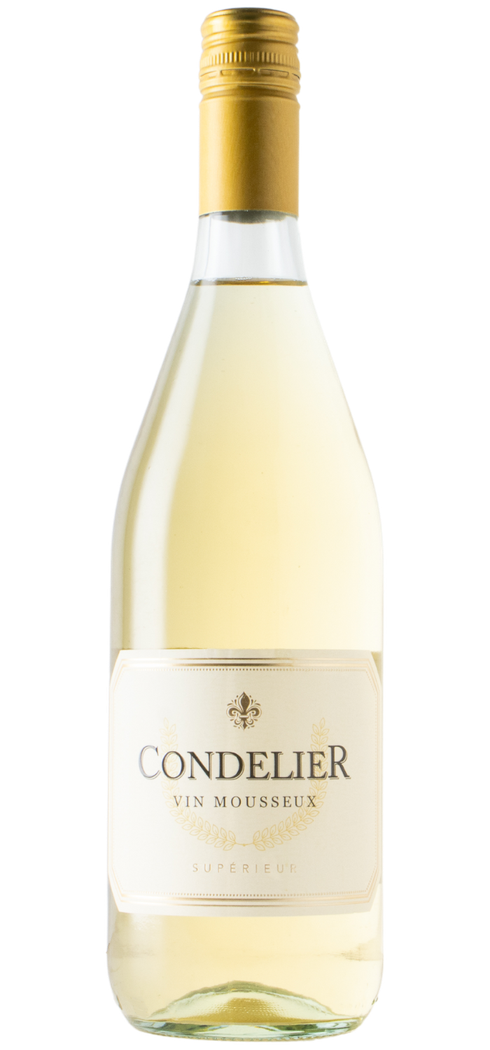
Condelier Blanco Sparkling 2025
Primary flavours

Key Lime

Peach

Stone Fruit

Herbs

Lime Leaf
Details
A deliciously drinkable fizz with citrus and stone fruit notes here from Condelier. Notes of apricot and lime zest leap from the glass, with vibrant acidity paving the way to lots of freshness and just a hint of sweetness on the finish.
Origin: The original sparkling wines were made in a place called Limoux in southern France. Mainly Grown In: These days, the whole world sparkles - these styles are made anywhere and everywhere, from a range of grape varieties. Key Facts: Champagne gets all the attention, but there's so much more to the world of sparkling than that. In fact, there are four main methods of production for sparkling wine, each producing slightly different styles and flavours. What is common across all of them however is really focused, tangy acidity (due mostly to harvesting the grapes early - the acidity is needed to keep the sparkling wine fresh) and an elegant fruit profile. Main flavours often include various citrus fruits, crunchy green apples, and hints of honey or biscuit. At the end of the day though, it's about those bubbles and the refreshment factor! Fun Fact: The largest producer of sparkling wine in the world is Italy, followed by France and Spain.
Origin: The original sparkling wines were made in a place called Limoux in southern France. Mainly Grown In: These days, the whole world sparkles - these styles are made anywhere and everywhere, from a range of grape varieties. Key Facts: Champagne gets all the attention, but there's so much more to the world of sparkling than that. In fact, there are four main methods of production for sparkling wine, each producing slightly different styles and flavours. What is common across all of them however is really focused, tangy acidity (due mostly to harvesting the grapes early - the acidity is needed to keep the sparkling wine fresh) and an elegant fruit profile. Main flavours often include various citrus fruits, crunchy green apples, and hints of honey or biscuit. At the end of the day though, it's about those bubbles and the refreshment factor! Fun Fact: The largest producer of sparkling wine in the world is Italy, followed by France and Spain.
Read more
Specs
Region
Castilla-La Mancha
country
Spain
Grape type
Sparkling (Other)
Wine Maker
Condelier
Alcohol
10.5%
Vintage
2025
Cellar period
1-3 years
Closure
Screw Cap
Production method
Conventionally Made
Temperature
Cold 5°C-8°C
State
Central Spain
collection
Pairing guide
The team at Condelier certainly knows its way around a good bottle of sparkling wine, and this beautiful release is right up there with the very best of them. Effortlessly versatile, it’s a great match for light lunchtime bites featuring fresh seafood like prawns, silky prosciutto and vegetarian canapes. It’s also brilliant with heartier fish dishes of hake or monkfish, curried cauliflower, Thai crab cakes, tortilla and other tapas favourites, oysters and savoury filo pastries. Delicious!
Read more
Food

Salmon

Raw Fish

Pork

White Meat

Seafood
Tastes

Crisp

Fruity

Creamy
Moods

Adventurous

Always A Winner

Celebratory

Romantic
Seasons

Summer

Spring
Recipe Matches


You might
also like
Wine region

Castilla-La Mancha, Spain
La Mancha is a wine region in Spain known for its hot and dry climate, high altitude vineyards, and significant grape production the top sub-regions are Almansa, Jumilla, and Manchuela, each with its own unique wine styles. The terroir across these regions can be characterized by the high chalk content of its soil, which helps to retain moisture during the arid summers. The top wine styles produced in La Mancha are primarily red wines made from the Tempranillo grape, including the well-known Crianza and the top tier Reserva styles, as well as Garnacha, Cabernet Sauvignon, and Syrah. However, the region also produces some white wines made from the fruity Airen grape, which is a native varietal of La Mancha and one of the most widely planted white grape varieties in the world.
Read more