











You're on our UK site. Are you sure you want to continue?

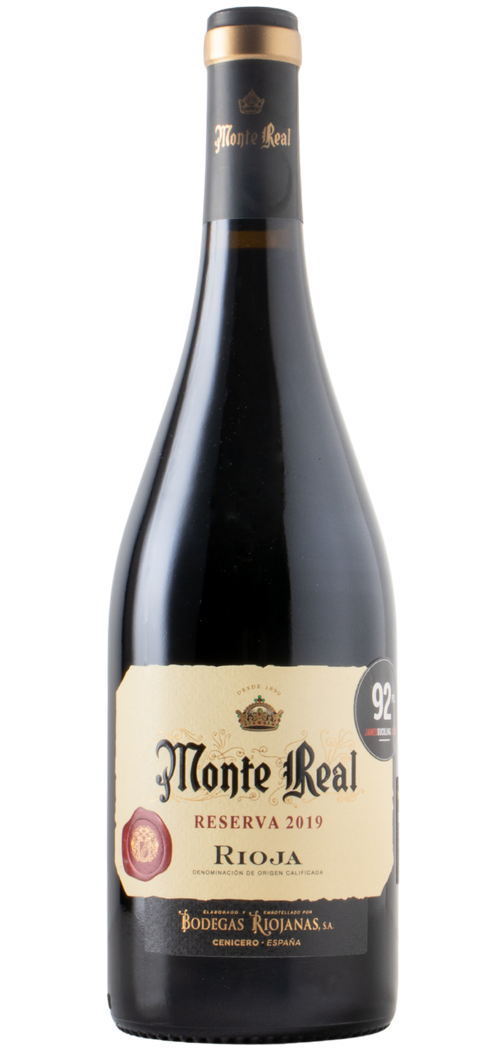
Bodegas Riojanas 'Monte Real' Reserva Rioja 2019
Primary flavours

Black Cherry

Cooked Plum

Dried Red Plum

Fig

Prune

Stewed Cranberry

Chocolate

Cloves

Coconut Husk

Earthy

Nutmeg

Tobacco

Vanilla
Details
This is Rioja Reserva in its finest form. Expect juicy red cherry and ripe strawberry upfront, layered with liquorice, vanilla, clove, nutmeg, and gentle baking spice from 24 months in French and American oak. The palate is silky, fresh, and beautifully rounded, with ripe tannins and a long, savoury finish that lingers with fruit, spice, and a subtle earthy charm. It's elegant, expressive, and incredibly drinkable now - but will also develop beautifully in the bottle, if you can hold on to it!
Bodegas Riojanas is proper Rioja royalty. Founded back in 1890 in the village of Cenicero, this is one of the region’s great centenarian bodegas. Still family-run, still fiercely proud, and still setting the benchmark for what traditional Rioja should taste like. Monte Real itself dates back to the 1930s, making it one of Spain’s longest-standing wine labels, and it remains the beating heart of the estate today. What really sets Riojanas apart is their mastery of ageing. These guys helped shape Rioja’s reputation as the king of oak-aged wines, but they’ve never lost sight of fruit, freshness, or place. The vineyards sit in Rioja Alta, close to the Ebro River, where old Tempranillo vines (40+ years) grow on clay-limestone soils at altitude. The result? Wines that feel classic, calm, and confident - always composed and built to age gracefully.
Bodegas Riojanas is proper Rioja royalty. Founded back in 1890 in the village of Cenicero, this is one of the region’s great centenarian bodegas. Still family-run, still fiercely proud, and still setting the benchmark for what traditional Rioja should taste like. Monte Real itself dates back to the 1930s, making it one of Spain’s longest-standing wine labels, and it remains the beating heart of the estate today. What really sets Riojanas apart is their mastery of ageing. These guys helped shape Rioja’s reputation as the king of oak-aged wines, but they’ve never lost sight of fruit, freshness, or place. The vineyards sit in Rioja Alta, close to the Ebro River, where old Tempranillo vines (40+ years) grow on clay-limestone soils at altitude. The result? Wines that feel classic, calm, and confident - always composed and built to age gracefully.
Read more
Taste Profile
This wine’s tasting notes.
Sweetness

nonesomelots
Body
lightmediumfull
Fruitiness
lowmediumhigh
Tannins
lowmediumhigh
Acidity
lowmediumhigh
Oak
nonesomelots
Alcohol
low
(under 12%)medium
(12-14%)high
(14%+)
Taste Summary

This wine’s tasting notes are leaning towards full bodied, low sweetness, with medium acidity, some fruitiness, high tannins, high alcohol and lots of oak.
Specs
Region
Rioja
country
Spain
Grape type
Tempranillo
Wine Maker
Bodegas Riojanas
Alcohol
14%
Vintage
2019
Cellar period
3-5 years
Closure
Cork (Natural)
Production method
Extended Oak Ageing
Temperature
Room Temperature 15°C-18°C
Pairing guide
This wine loves proper food. Go classic with grilled lamb chops, patatas bravas, or slow-roasted pork shoulder with paprika and rosemary. It’s also unreal with mushroom croquetas, smoky lentil and chorizo stew, or roasted beetroot with harissa, almonds, and olive oil for a bold vegan option. Hard cheeses, jamón, and charcuterie are a no-brainer, but don’t miss pairing it with a rich veggie paella or chickpea, tomato, and saffron stew.
Read more
Food

Roasted Meat

BBQ

Spanish

Paella

Slow Cooked Pork

Sirloin Steak

Lamb
Tastes

Bitter

Rich

Earthy
Moods

Bored

Contemplative
Seasons

Spring

Cooler Months
Recipe Matches


Wine region


Rioja, Spain
Rioja (riˈouhɑ) is one of Spain’s most well-known wine regions, located in the north of Spain. The region has a long history of making wine that dates back to the period of the Roman Empire. The climate is typically Mediterranean with hot summers and cool winters which suits the varieties of Rioja; Tempranillo, Garnacha and Graciano. Graciano almost became extinct due to the effects of phylloxera in the late 1800s however, luckily, the variety is back in full swing. There are three main classifications of wine according to their ageing process- Crianza, Reserve and Gran Reserva.
Read more